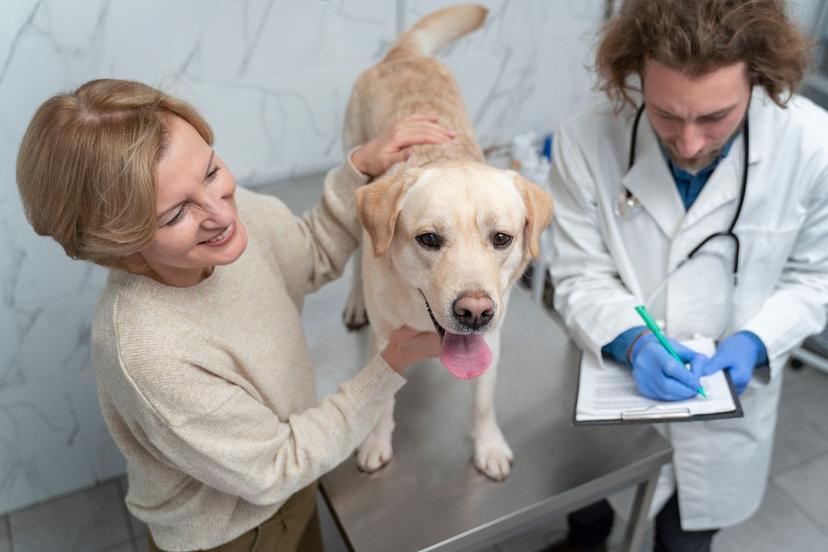
The Importance of Regular Veterinary Check-ups
The Importance of Regular Veterinary Check-ups
Regular veterinary check-ups are essential for maintaining your pet's health and well-being. Just as humans benefit from routine medical care, pets also require regular evaluations to catch potential health issues early and ensure they receive appropriate preventive care. This article will highlight the importance of regular veterinary visits and what to expect during an appointment.
Why Regular Vet Visits Matter
Early Detection of Health Issues:
- Many pet health problems can be asymptomatic in their early stages. Regular check-ups allow veterinarians to identify potential health issues, such as dental disease, obesity, or early-stage illnesses, before they become serious.
Preventive Care:
- Routine visits often include essential preventive measures such as vaccinations, parasite control, and dental cleanings. These services help protect your pet from preventable diseases and conditions.
Monitoring Chronic Conditions:
- For pets with chronic illnesses, regular veterinary visits are critical for monitoring their condition and adjusting treatments as necessary. This can lead to better management of health issues and an improved quality of life.
Weight Management:
- Obesity is a significant health concern for pets. Regular check-ups provide opportunities to assess your pet's weight and create dietary and exercise plans tailored to their needs.
Behavioral Assessments:
- Veterinary visits also offer a chance to discuss any behavioral concerns. Veterinarians can provide guidance on training and behavioral issues, ensuring your pet's mental well-being is addressed.
What to Expect During a Veterinary Visit
Thorough Physical Examination:
- Your vet will conduct a comprehensive physical exam, including checking your pet’s heart rate, respiratory rate, skin condition, and more. This exam helps identify any abnormalities.
Vaccinations:
- Depending on your pet's age and health status, vaccines may be administered or updated. Discuss with your vet which vaccines are necessary for your pet.
Preventive Treatments:
- This may include treatments for parasites such as fleas and ticks or heartworm prevention, which are vital for your pet’s health.
Diagnostic Tests:
- Regular check-ups may involve blood tests, urinalysis, or other diagnostic procedures to assess your pet's overall health and catch any underlying issues.
Health Recommendations:
- Based on the examination results, your veterinarian will provide tailored recommendations for your pet’s care, including dietary advice, exercise plans, and any necessary treatments.
How Often Should You Visit the Vet?
- Puppies and Kittens: Young pets should see the vet more frequently, typically every 3 to 4 weeks until they are about 16 weeks old, to ensure proper vaccinations and development.
- Adult Pets: Healthy adult pets should have check-ups at least once a year. Older pets may benefit from biannual visits, as they are more susceptible to age-related health issues.
Conclusion
Regular veterinary check-ups are a vital part of responsible pet ownership. They help ensure your pet remains healthy, catch potential health issues early, and provide necessary preventive care. By staying proactive about your pet's health and maintaining open communication with your veterinarian, you can help your furry friend live a longer, healthier, and happier life.