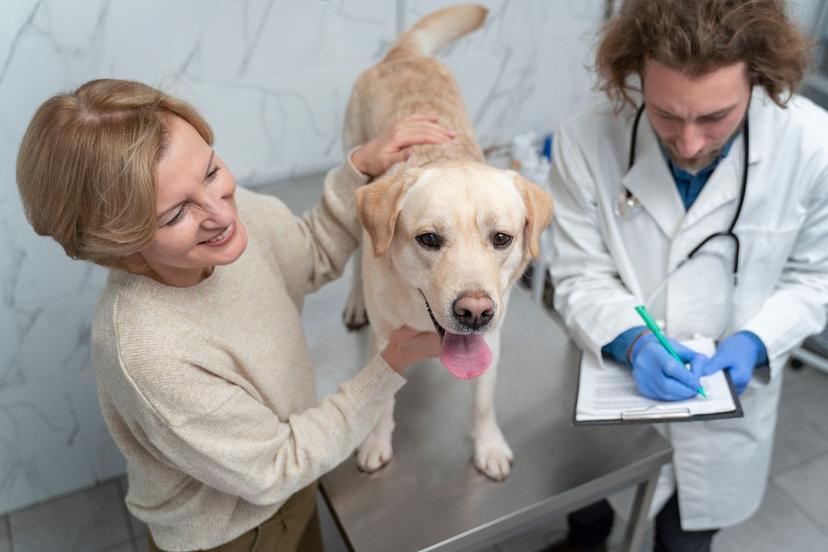
Recognizing Signs of Illness: When to See the Vet
Recognizing Signs of Illness: When to See the Vet
Being a responsible pet owner involves knowing when your furry friend is unwell and needs veterinary attention. Recognizing the signs of illness in pets can be tricky, as they may not always show obvious symptoms. This article will help you identify common signs of illness in pets and guide you on when to seek veterinary care.
Common Signs of Illness in Pets
Changes in Appetite:
- Sudden increases or decreases in appetite can indicate health problems. If your pet refuses to eat for more than 24 hours, it’s a good idea to consult your vet.
Weight Loss or Gain:
- Unexplained weight fluctuations can signify underlying health issues such as metabolic disorders, dental problems, or hormonal imbalances.
Lethargy:
- If your pet is unusually tired, disinterested in play, or sleeping more than usual, it may be a sign of illness.
Vomiting or Diarrhea:
- Occasional vomiting or diarrhea may not be a cause for alarm, but persistent or severe cases warrant veterinary attention.
Changes in Breathing:
- Difficulty breathing, rapid breathing, or coughing can indicate respiratory problems and should be evaluated by a veterinarian as soon as possible.
Unusual Behavior:
- Any significant changes in behavior, such as increased aggression, withdrawal, or excessive vocalization, could indicate that your pet is experiencing discomfort or pain.
Skin Issues:
- Look for signs of redness, swelling, itching, or hot spots on your pet’s skin. These may indicate allergies, infections, or parasites.
Eye or Nose Discharge:
- Discharge from the eyes or nose can be a sign of allergies, infections, or other health concerns that require veterinary evaluation.
Bad Breath:
- While some pet breath can be normal, persistent bad breath (halitosis) may indicate dental disease or systemic health problems.
When to See the Vet
It’s essential to trust your instincts as a pet owner. If you notice any of the following, seek veterinary care immediately:
- Severe Vomiting or Diarrhea: Continuous vomiting or diarrhea can lead to dehydration and should be treated promptly.
- Seizures or Collapse: If your pet experiences a seizure or collapses, seek emergency veterinary attention.
- Difficulty Breathing: Any signs of respiratory distress should be treated as an emergency.
- Injuries: If your pet sustains an injury, such as a cut, bite, or broken bone, see a vet as soon as possible.
Conclusion
Being vigilant about your pet’s health and recognizing the signs of illness can prevent minor issues from becoming major problems. Regular veterinary check-ups, a healthy diet, and proper exercise contribute to your pet’s overall well-being. When in doubt, it’s always better to err on the side of caution and consult your veterinarian for advice and treatment.