Common Health Issues in Aging Pets
Common Health Issues in Aging Pets
As pets grow older, their health needs change, and they may become susceptible to various health issues. Understanding these common problems is essential for providing the best care for your aging companion. This article explores the most prevalent health concerns in senior pets, signs to look out for, and tips for maintaining their quality of life.
Common Health Issues
Arthritis:
- Many senior pets suffer from arthritis, which can cause pain and stiffness in joints. This condition can significantly affect their mobility and quality of life.
Dental Disease:
- Dental problems are common in older pets. Periodontal disease can lead to pain, difficulty eating, and other health complications if untreated.
Kidney Disease:
- Chronic kidney disease is prevalent in older dogs and cats. Symptoms may include increased thirst and urination, weight loss, and changes in appetite.
Obesity:
- Many aging pets become less active, leading to weight gain and obesity-related health issues, such as diabetes and heart disease.
Cognitive Dysfunction:
- Similar to human dementia, cognitive dysfunction can affect older pets' memory, learning, and behavior, leading to confusion and changes in habits.
Cancer:
- The risk of developing cancer increases with age. Regular veterinary check-ups are important for early detection of tumors or abnormal growths.
Signs Your Aging Pet May Be Unwell
- Changes in Appetite: Noticeable weight loss or gain may indicate health problems.
- Increased Thirst: Drinking more water than usual can be a sign of kidney issues or diabetes.
- Behavioral Changes: Increased anxiety, disorientation, or changes in sleep patterns may signal cognitive dysfunction.
- Mobility Issues: Difficulty jumping, climbing stairs, or a decrease in activity levels can indicate arthritis or other joint problems.
Tips for Caring for Aging Pets
Regular Veterinary Check-ups:
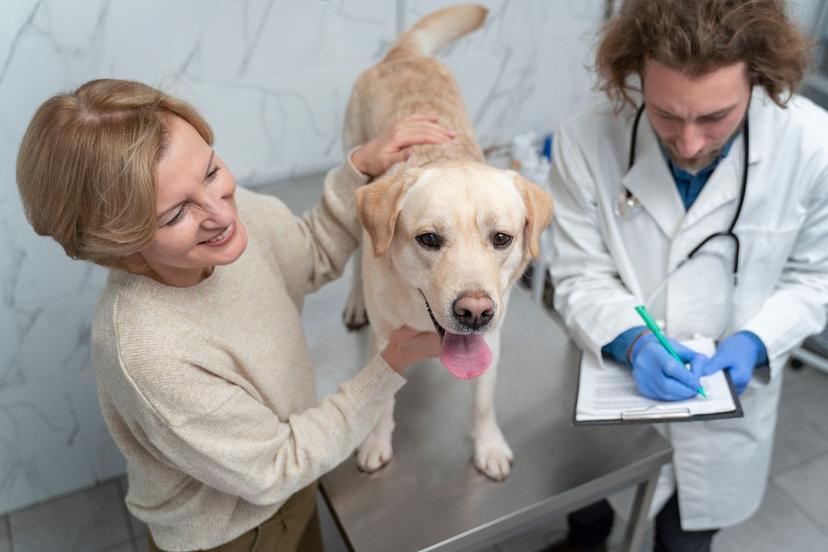
- Scheduling biannual or annual check-ups allows for early detection of health issues. Your veterinarian can recommend specific tests or treatments tailored to your pet’s needs.
Nutrition:
- Feed your aging pet a balanced diet that meets their changing nutritional needs. Look for senior pet foods formulated to support joint health and overall well-being.
Exercise:
- While older pets may not require as much exercise as younger ones, regular low-impact activities can help maintain their mobility and mental health.
Comfortable Living Environment:
- Ensure your home is pet-friendly. Providing soft bedding and easy access to food, water, and litter boxes can greatly enhance their comfort.
Mental Stimulation:
- Keep your aging pet mentally active with puzzle toys, gentle training sessions, or interactive games. This can help combat cognitive decline and enhance their quality of life.
Conclusion
Aging pets require special attention and care to ensure they remain happy and healthy in their golden years. By being aware of common health issues and proactive in your care approach, you can significantly improve your pet's quality of life. Regular veterinary visits, appropriate nutrition, and mental stimulation will play a crucial role in keeping your aging companion comfortable and engaged.